





Why 409 Stainless Steel Is Widely Used in Exhaust Systems
The working conditions in exhaust systems are harsh. They include exposure to extreme temperatures, exhaust fumes, humidity, salt, and corrosive atmospheres. Such conditions over the years have adverse effects on the durability and performance of the normal materials used.
Therefore, material selection is vital when manufacturing exhaust systems.
409 stainless steel is one of the ferritic stainless steels that are used in the manufacturing of automotive exhaust systems. This material provides the ideal balance between heat resistance, oxidation resistance, corrosion resistance, formability, weldability, and cost efficiency.
For companies requiring 409 stainless steel for their exhaust systems, this material provides the necessary durability needed in many automotive exhaust system components without having to incur extra costs associated with more expensive stainless steel grades.
What Is 409 Stainless Steel?
409 stainless steel is a ferritic stainless steel that consists of chromium and is known for resisting corrosion and oxidation.
It is specifically linked to applications in automobile exhaust systems due to the properties of the metal that make it suitable for use at high temperatures as well as being relatively affordable.
Its most important properties are as follows:
- Heat resistant
- Oxidation resistant
- Corrosion resistant
- Formable
- Weldable
- Relatively economical price
- Magnetic
Key Properties of 409 Stainless Steel
| Property | 409 Stainless Steel |
| Stainless Steel Type | Ferritic |
| Chromium | Approximately 10.5–11.75% |
| Heat Resistance | Good |
| Oxidation Resistance | Good |
| Corrosion Resistance | Good |
| Formability | Good |
| Weldability | Good |
| Cost | Relatively Economical |
| Magnetic | Yes |
Exact chemistry and mechanical properties should be verified against the applicable ASTM/SAE specification and product condition.
Why Is 409 Stainless Steel Used in Exhaust Systems?
The exhaust system is subjected to heat, corrosive gases, and heating and cooling cycles. The materials used in making the above parts must be able to resist heat and offer corrosion protection as well as ease of manufacturing.
409 stainless steel possesses all these properties.
Good Resistance to High Temperatures
The exhaust parts are subjected to higher temperatures which vary depending upon the working condition of the engine and location of the part.
The high amount of chromium present in the 409 stainless steel contributes towards providing oxidation and scaling resistance under higher temperatures making it appropriate for the manufacture of exhaust parts like exhaust pipes, mufflers, etc.
The actual performance of the material depends upon the design of the part and working temperature.
Resistance to Exhaust Gas Corrosion
Exhaust gases can create a demanding environment for metallic components. In addition to elevated temperatures, exhaust components may encounter moisture and other corrosive conditions.
Stainless steel 409 provides better corrosion and oxidation resistance than conventional carbon steel in many exhaust applications, helping protect components against environmental and service-related degradation.
Excellent Thermal Cycling Performance
Exhaust systems repeatedly heat up during vehicle operation and cool down when the vehicle is stopped.
This repeated thermal cycling causes materials to expand and contract. Components therefore need to withstand these changes without excessive degradation.
409 stainless steel's combination of material durability and heat resistance makes it suitable for exhaust components exposed to repeated thermal cycles.
Good Formability
Exhaust systems contain pipes, tubes and components that need to be bent, shaped and fabricated into specific geometries.
409 stainless steel offers good formability, allowing it to be processed into pipes, tubes and other exhaust-system shapes while meeting manufacturing requirements.
Good Weldability
Exhaust systems typically contain multiple welded joints and fabricated assemblies.
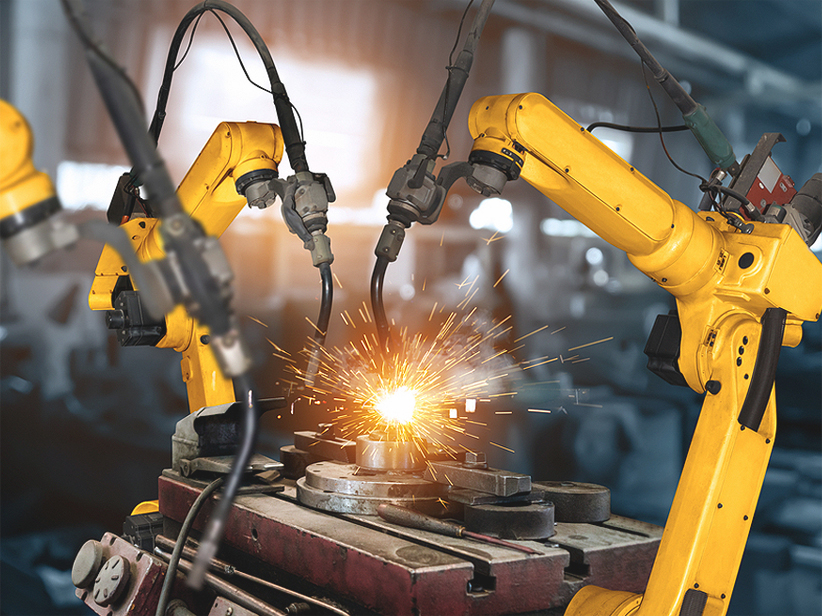
Good weldability is therefore an important advantage for manufacturers. 409 stainless steel can be welded using appropriate procedures, making it suitable for manufacturing exhaust pipes, mufflers and other fabricated exhaust assemblies.
Cost-Effective Material Choice
One of the primary factors responsible for the widespread use of 409 stainless steel is the combination of its performance and economical nature.
As opposed to higher-alloyed grades of stainless steel, 409 can offer heat resistance and corrosion resistance properties at an economical cost.
The cost-effective nature of this stainless steel makes it a favorite choice for automotive applications.
409 Stainless Steel vs Carbon Steel for Exhaust Systems
Carbon steel can offer a lower initial material cost, but exposure to heat, moisture and corrosive environments can affect its long-term durability.
409 stainless steel provides a useful alternative for many exhaust applications.
| Feature | 409 Stainless Steel | Carbon Steel |
| Corrosion Resistance | Good | Lower |
| Heat Resistance | Good | Moderate |
| Oxidation Resistance | Good | Lower |
| Thermal Cycling | Good | Moderate |
| Service Life | Generally Longer | Generally Shorter |
| Cost | Moderate | Lower |
| Exhaust Application | Highly Suitable | Suitable for some applications |
The choice ultimately depends on the application. While carbon steel can be economical initially, corrosion and oxidation can affect long-term component durability.
409 Stainless Steel vs 304 Stainless Steel for Exhaust Applications
409 and 304 stainless steel are both used in automotive applications, but they offer different combinations of properties and costs.
| Feature | 409 Stainless Steel | 304 Stainless Steel |
| Structure | Ferritic | Austenitic |
| Corrosion Resistance | Good | Excellent |
| Heat/Oxidation Resistance | Good | Excellent |
| Strength | Moderate | Good |
| Cost | Lower | Higher |
| Automotive Exhaust Use | Very Common | Used where higher corrosion resistance is required |
The main distinction lies in the proportion of performance and price.
Type 409 is usually chosen when the application needs sufficient corrosion and heat resistance but at a relatively lower price. On the other hand, type 304 is chosen when higher corrosion resistance and aesthetic considerations are needed.
It should be noted that one grade does not excel over the other; the choice of which to use is dependent on the application.
Applications of 409 Stainless Steel in Exhaust Systems
The characteristics of 409 stainless steel make it suitable for a variety of automotive exhaust components.
Exhaust Pipes
Tubes and exhaust systems must be able to function in high temperature environments as well as with corrosive fumes and thermal cycles.
Applications for the 409 stainless steel include:
- Exhaust tubing
- Pipes
- Downpipes
- Intermediate exhaust systems
Mufflers
Both the heat and exhaust gas exposures apply to mufflers during driving.
The applications of 409 stainless steel include:
- Muffler shells
- Internal components
- Exhaust assemblies
This property of 409 stainless steel may help increase the longevity of these parts.
Exhaust Manifolds
Exhaust manifolds operate under significant thermal exposure and therefore require appropriate heat-resistant materials.
409 stainless steel can be considered for selected manifold applications based on the design, operating temperature and service requirements.
Catalytic Converter Components
Catalytic converters operate in high-temperature exhaust environments.
409 stainless steel can be used in selected exhaust-system components depending on the component design and service conditions.
Other Automotive Exhaust Components
Additional applications can include:
- Pipes
- Tubes
- Mufflers
- Hangers
- Heat shields
- Other fabricated exhaust components
The exact grade and product form should be selected according to the component's operating environment and manufacturing requirements.
Benefits of 409 Stainless Steel for Automotive Exhaust Systems
The major advantages of 409 stainless steel include:
- High-temperature oxidation resistance
- Good atmospheric corrosion resistance
- Suitability for thermal cycling
- Good formability
- Good weldability
- Durable construction
- Lower material cost than many austenitic grades
- Suitability for mass automotive production
- Potentially longer service life than many conventional steels
This combination makes 409 stainless steel a practical material choice for a wide range of automotive exhaust applications.
How 409 Stainless Steel Performs Under High Temperatures
Exhaust gas temperatures may change greatly based on the engine running conditions, vehicle status, and position of the part in the exhaust stream.
Thermal stress can affect the process of oxidation, scaling, and material stability.
The chromium presence in 409 stainless steel is responsible for the development of a protective oxide coating, which prevents material from oxidation under high temperature conditions.
Nonetheless, effectiveness depends on various aspects such as:
- Part design
- Thickness of the material
- Quality of manufacturing
- Operating temperature
- Conditions of exhaust gas flow
- Thermal cycling
For this reason, one maximum operating or exhaust temperature cannot be used for all 409 stainless steel parts.
Manufacturing 409 Stainless Steel Exhaust Components
Manufacturing exhaust components from 409 stainless steel generally involves several stages, depending on the final component design.
Cutting
Sheets, strips, tubes or other forms of material are cut according to the required component dimensions.
Forming
The material can be formed into the shapes required for pipes, tubes, mufflers and other exhaust-system components.
Welding
Individual components are welded together to create complete exhaust assemblies.
Appropriate welding procedures are important for maintaining the required quality and performance of the finished assembly.
Finishing
Surface treatment and finishing can be performed according to the application's requirements.
Quality Inspection
Quality-control procedures may include:
- Dimensional inspection
- Surface inspection
- Chemical composition verification
- Mechanical-property verification
- Weld-quality inspection
The specific inspection requirements depend on the applicable material standard and application.
Factors to Consider When Selecting 409 Stainless Steel
Choosing the right material for an exhaust component requires consideration of both operating and manufacturing conditions.
Key factors include:
| Selection Factor | What to Evaluate |
| Operating temperature | Determine the expected temperature range of the component. |
| Exhaust gas composition | Evaluate the gases and environmental conditions the material will encounter. |
| Corrosion environment | Consider moisture, road salt and other corrosive exposures. |
| Component location | Temperature and environmental exposure can vary throughout the exhaust system. |
| Required service life | Determine the expected durability of the component. |
| Manufacturing process | Consider forming, cutting and welding requirements. |
| Thickness and geometry | Evaluate the material form and dimensions required. |
| Welding requirements | Ensure the material is suitable for the planned fabrication process. |
| Cost considerations | Balance material performance with production economics. |
| Applicable ASTM/SAE specifications | Verify that the selected material meets the required specification. |
Is 409 Stainless Steel Better Than Other Stainless Steel Grades for Exhaust Systems?
409 stainless steel is not universally better than other stainless steel grades. Its advantage lies in the balance it provides between heat resistance, corrosion resistance, manufacturability and cost.
Different grades may be appropriate for different requirements:
- 409 – Economical automotive exhaust applications
- 439 – Higher corrosion/oxidation performance in some applications
- 304 – Higher general corrosion resistance
- 321 – Applications requiring stabilized austenitic stainless steel at elevated temperatures
The final choice should be based on the component's operating conditions, performance requirements, manufacturing process and applicable specifications.
409 Stainless Steel Product Forms for Exhaust Manufacturing
Based on the supplier and applicable standards, there are different forms of 409 stainless steel that include:
- 409 Stainless Steel Sheets
- 409 Stainless Steel Plates
- 409 Stainless Steel Coils
- 409 Stainless Steel Strips
- 409 Stainless Steel Tubes
- 409 Stainless Steel Pipes
This depends on the requirement for production from the manufacturer or fabricator.
Conclusion
The use of 409 stainless steel in automotive exhaust systems has been popularized due to the fact that it gives a balance between heat resistance, oxidation resistance, corrosion resistance, formability, weldability and economic costs.
It performs well enough in cases when corrosion resistance is not the first priority in many exhaust applications and durability against heat and heat cycles is of utmost importance.
Whether you need exhaust pipes, mufflers, selected manifolds, heat shields or any other fabricated parts of automotive exhaust systems, 409 stainless steel gives you an excellent solution.
In need of 409 stainless steel sheets, coils, strips, tubing and pipes for exhaust manufacturing? Venus Wires can help provide suitable 409 stainless steel products based on the required product form, specifications and application requirements. For the right material selection, consult an experienced stainless steel manufacturer or supplier to ensure the product meets the required performance and industry standards.
FAQ's
409 stainless steel provides a useful combination of heat resistance, oxidation resistance, corrosion resistance, durability, formability and cost-effectiveness, making it suitable for many automotive exhaust applications.
Yes. 409 stainless steel is widely used for automotive exhaust pipes and related components because of its resistance to oxidation and corrosion at elevated temperatures.
Not universally. 409 is generally more economical and well suited to many exhaust applications, while 304 provides higher general corrosion resistance. The appropriate grade depends on the specific application.
409 stainless steel can develop surface discoloration or rust staining under certain environmental conditions. It is corrosion-resistant, but it is not completely corrosion-proof.
Yes. 409 stainless steel is designed to provide useful resistance to oxidation and corrosion at elevated temperatures. Actual performance depends on operating conditions, component design and applicable specifications.
Yes. 409 stainless steel is a ferritic stainless steel and is magnetic.
Common applications include automotive exhaust pipes, tubes, mufflers, heat shields, hangers and other exhaust components requiring a combination of moderate corrosion resistance and elevated-temperature performance.